
Why Seniors Need to Prioritize Dental Care for Better Overall Health
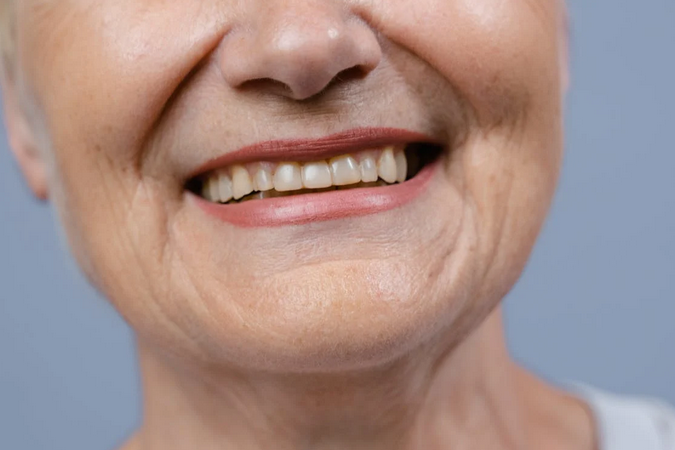
As we age, our bodies undergo numerous changes. One aspect that often gets overlooked is dental health. Many seniors may assume that oral care is no longer a priority, but this couldn’t be further from the truth. In fact, maintaining good dental hygiene becomes increasingly vital for overall well-being in later years. Healthy teeth and gums contribute to better nutrition, improved self-esteem, and a more vibrant social life. Neglecting dental care from the best Dentist London can lead to various health issues that go beyond just the mouth. Let’s delve into why prioritizing dental care is essential for seniors and how it can significantly enhance their quality of life.
Common Dental Problems Faced by Seniors

As we age, our bodies undergo various changes, and dental health is no exception. Seniors often face an array of dental issues that can significantly impact their well-being. One common problem is gum disease. This condition occurs when bacteria buildup leads to inflammation and can result in tooth loss if left untreated. Many seniors may not even realize they have it until symptoms become severe. Another frequent issue is dry mouth, also known as xerostomia. Medications for chronic conditions often contribute to this problem, leading to discomfort and increased risk of cavities.
How Poor Dental Care Can Impact Quality of Life in Seniors
 Poor dental care can lead to a cascade of problems that affect seniors beyond their mouths. Missing teeth or severe decay can make eating painful, limiting nutritional intake. This often results in weight loss and malnutrition, which are detrimental to overall health. Additionally, compromised oral hygiene is linked to systemic issues like heart disease and diabetes. Bacteria from gum disease can enter the bloodstream, escalating these conditions and complicating management efforts. Social interactions may also suffer due to embarrassment over dental appearance or bad breath. This isolation can have emotional repercussions, leading to depression or anxiety. Furthermore, chronic pain from untreated dental issues can disrupt sleep patterns. A lack of restorative sleep affects mood and cognitive function, creating a cycle that’s difficult for many seniors to break free from.
Tips for Maintaining Good Dental Hygiene in Old Age
Maintaining good dental hygiene in old age is crucial for overall health. Start with a consistent routine. Brush your teeth twice daily using fluoride toothpaste. This simple step helps prevent decay and gum disease. Flossing is just as important. It removes food particles and plaque that a toothbrush can’t reach. Consider using floss picks or water flossers if traditional floss feels challenging. Regular dental check-ups are essential too, even if you wear dentures or have no visible problems. A professional cleaning can catch issues early on. Stay hydrated by drinking plenty of water throughout the day. This helps combat dry mouth, which can lead to tooth decay. Incorporate nutrient-rich foods into your diet, focusing on calcium and vitamin D for strong teeth and bones. Avoid sugary snacks when possible; they contribute to cavities over time. Consider speaking with your dentist about any medications you’re taking that might affect oral health.
Affordable Options for Senior Dental Care

Dental care can be daunting for seniors, especially when it comes to costs. Fortunately, there are affordable options available that cater specifically to their needs. Many communities offer dental clinics designed for low-income residents or those on fixed incomes. These facilities often provide services at reduced rates or even on a sliding scale based on income. Additionally, some dental schools have programs where students perform procedures under professional supervision. This not only offers lower prices but also allows students to gain valuable experience. Seniors should also explore dental insurance plans tailored for older adults. These plans typically cover essential treatments like check-ups and basic restorative work.
Prioritizing dental care is crucial for seniors to maintain their overall health and well-being. Good oral hygiene directly influences physical health, mental wellness, and social interactions. By addressing common dental issues early on and recognizing the signs of poor oral health, seniors can prevent more serious complications down the road. Taking proactive steps toward maintaining good dental hygiene is essential. This includes regular check-ups with a dentist who understands the unique needs of older patients. Simple practices, like brushing twice a day and flossing daily, can make a significant difference. Affordability should not deter anyone from seeking proper care. Many communities offer resources designed specifically for senior dental needs at reduced costs or even free services.…

 Avocados are another excellent food for healthy joints. Like salmon, avocados contain high levels of anti-inflammatory omega-3 fatty acids. However, avocados also contain a compound called glutathione. It is a powerful antioxidant that can help protect your joints from damage. What’s more, avocados are a great source of vitamins C and E, which are essential for joint health.
 Turmeric is a spice that has been used for centuries in traditional medicine to treat various ailments. Recent studies have shown that turmeric can also be beneficial for joint health. The active ingredient in turmeric, curcumin, is a potent anti-inflammatory that can help reduce joint pain and stiffness. Moreover, curcumin has also been shown to protect joints from further damage.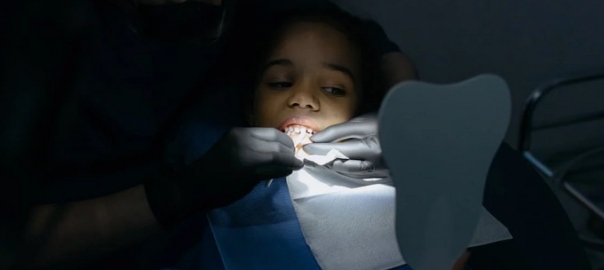
 Once you know the source of your fear, you can begin to work on overcoming it. If your fear is based on a bad experience, tell your dentist about it. They will be able to help put your mind at ease and may even be able to offer sedation options for future visits. Most dentists are very understanding and want to help you feel comfortable during your appointment.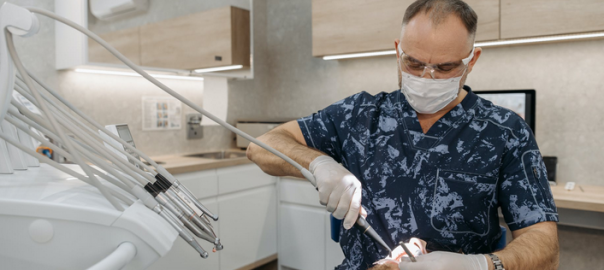
 Crowns and fillings are the most common procedures. These treatments can be performed as soon as you notice a problem with your teeth, such as pain or discomfort when chewing food, chipping of the enamel, cavities that cause infection in gums, etc. Tooth decay is one of those things that happen over time; although you can brush and floss your teeth every day, it’s still possible to get cavities. A filling is a material placed in the hole left by a dentist when they remove decay from your tooth. A crown is a cap covering the entire top of a tooth to restore its shape and size, strengthen the tooth, and improve its appearance.
 This is arguably the most common health mistakes that nearly every pregnant woman commits at one point in their pregnancy. There are mothers who are fond of using anti-acids, acne treatments, antibiotics, and paracetamol when they are pregnant. It is important to note that self-medicating can have severe effects on both the mother and the unborn child.
 Pregnancies are unique and are as such, it is necessary that you go for regular pre-natal clinics throughout the pregnancy period. These clinics are efficient in detecting health problems and other conditions in the mother and the baby during pregnancy.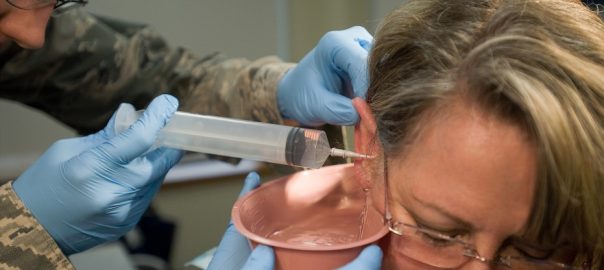
 Moving inside the ear, you need to exercise more caution. If you want to remove your ear wax, consider how thick it is. It may be too thick to be easily dislodged from your ear canal. In this case, you can use an ear wax softener to melt the wax and make it easy to remove. If you struggle with a thick wax, it will leave your ears itchy and bruised.
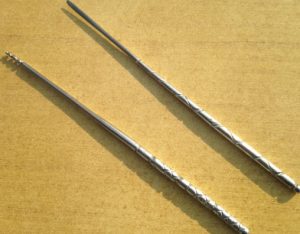 Never put a sharp or pointed object inside your ears in a bid to clean them. If you do so, you will open a can of worms. You can easily lose your sense of hearing. I should say here that you should not insert anything inside your ears. Not even cotton swabs are good for your ears. If you use cotton swabs to clean the inside of your ears, you are digging the hole deeper (pardon the pun). Cotton swabs push ear wax deeper into the ear canal instead of pulling it out. Just use a suitable mineral oil or commercial ear wax softener to soften the ear wax then rinse it out using warm water. Get the help of a professional ear and throat specialist where necessary.